 Program
Read time: 5 min read
Applications are now open for the Startup Accelerator Program 2026 cohort.
Applications are open for the next cohort of the Startup Accelerator. Read on for what we look for, key dates, and how to apply.
May 6, 2026
StartupFebruary 14, 20267 min read
Two years ago, three founders walked into the program with an idea most investors politely passed on. This month, they closed a $1.8M round and now operate across three cities. The headline number is the easy part of the story. Here is what actually happened underneath.
The team came in with a thesis, not a product. They believed a specific operational pain point was costing mid-sized businesses far more than anyone had quantified. They had spreadsheets, customer conversations, and a working prototype held together by a weekend of code. That was it.
When they applied, more than one investor told them the timing was wrong and the market was too small. The program admitted them anyway, based on the depth of their problem understanding.
In year one, they signed seven customers. Not seventy. Seven. Each one was hand-onboarded by a founder, and every product decision was made in direct response to what those customers were doing in the tool.
The team picked one metric – weekly active operations inside the product – and refused to celebrate anything else. Hiring, fundraising, marketing all got measured against whether they moved that one number.
“They didn’t raise because the deck got better. They raised because the metric was up and to the right for fourteen straight months.”
The $1.8M round closed faster than the founders expected, but the groundwork took six months. They mapped every relevant investor, ranked them, and ran a structured process with a clear timeline. Two lead investors competed for the round, which shaped the terms in the founders’ favor.
When they came back to speak to the new cohort, the founders were blunt. The product was not what got them here. The metric discipline was. The willingness to say no to plausible distractions was. And the network they built during the program kept showing up at every critical moment.
You do not need a perfect product to apply. You need a real problem, an honest read of your own metrics, and the willingness to spend two years building the thing properly. If that is you, we would like to see your application.
ProgramRead time: 5 min read
Applications are open for the next cohort of the Startup Accelerator. Read on for what we look for, key dates, and how to apply.
May 6, 2026
 Event
EventRead time: 6 min read
When they joined the network, they had a product and zero enterprise clients. Two months later, everything changed.
April 10, 2026
 Startup
Read time: 7 min read
Fintech, agritech, healthtech, logistics, and edtech — a look at where the most interesting work is happening right now.
March 28, 2026
 Innovation
Read time: 8 min read
From first meeting to Demo Day — a full breakdown of the results, the challenges, and what we learned running this cycle.
March 15, 2026
 Event
EventRead time: 6 min read
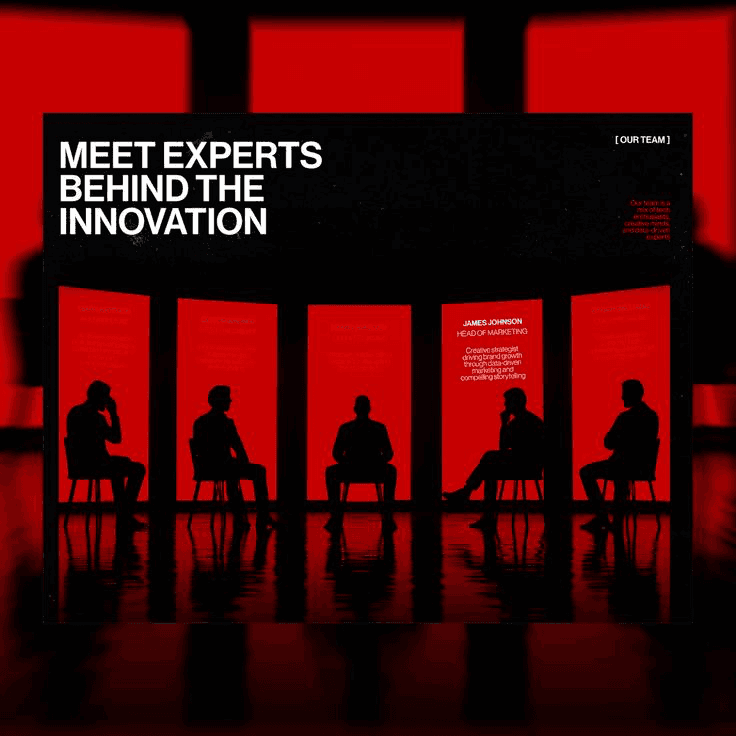
Data-driven marketing isn't optional anymore. Here's a full recap of what was shared and the frameworks you can apply today.
February 28, 2026
 Program
Read time: 6 min read
14 events. 6 formats. Over 800 participants across the year. Here's what the HUB built in its first full year of operation.
March 15, 2026