 Program
Read time: 5 min read
Applications are now open for the Startup Accelerator Program 2026 cohort.
Applications are open for the next cohort of the Startup Accelerator. Read on for what we look for, key dates, and how to apply.
May 6, 2026
StartupMarch 28, 20267 min read
Most of the noise around the Moroccan startup scene focuses on a handful of high-profile names. Underneath that surface, a deeper layer of teams is building serious products in sectors that rarely make the headlines. Here are the five we are paying the most attention to right now, and why.
Mobile payments were the first wave. The current wave is about credit scoring for the unbanked, SME accounting tools that actually fit local realities, and infrastructure for cross-border flows between Morocco, Europe, and the rest of Africa.
The teams winning here are the ones treating regulation as a feature instead of an obstacle, and partnering early with banks rather than trying to replace them overnight.
Agriculture is still one of the largest employers in the country, and the room for technology is enormous. The most interesting startups are not building flashy farm robots – they are building practical tools for irrigation efficiency, crop forecasting, and supply chain traceability that smallholders can actually afford.
The strongest healthtech teams we see today start from a distribution question, not a product question. How do we reach patients outside major cities? How do we equip front-line practitioners with better tools? Those constraints are producing some of the most original product thinking on the continent.
The teams that will compound over the next five years are the ones building clean, structured health data infrastructure today – even when the immediate monetization path is unclear.
“The Moroccan healthtech founders we back are not chasing the next AI trend. They are building the rails the next decade of healthcare will run on.”
Last-mile delivery, warehousing automation, and freight matching are all seeing rapid product maturity. The opportunity is not in copying global logistics platforms – it is in solving the very specific routing, customs, and density challenges of this market.
Generic global edtech rarely lands well in Morocco. The teams that are working build content and tooling that respects the language reality, the curriculum, and the way students and parents actually behave. The best of them are quietly building defensible distribution inside schools and large training providers.
If you are building in one of these sectors – or one that should be on this list – we would like to hear from you. The next twelve months are going to be unusually interesting.
ProgramRead time: 5 min read
Applications are open for the next cohort of the Startup Accelerator. Read on for what we look for, key dates, and how to apply.
May 6, 2026
 Event
EventRead time: 6 min read
When they joined the network, they had a product and zero enterprise clients. Two months later, everything changed.
April 10, 2026
 Innovation
Read time: 8 min read
From first meeting to Demo Day — a full breakdown of the results, the challenges, and what we learned running this cycle.
March 15, 2026
 Event
EventRead time: 6 min read
Data-driven marketing isn't optional anymore. Here's a full recap of what was shared and the frameworks you can apply today.
February 28, 2026
 Startup
Read time: 7 min read
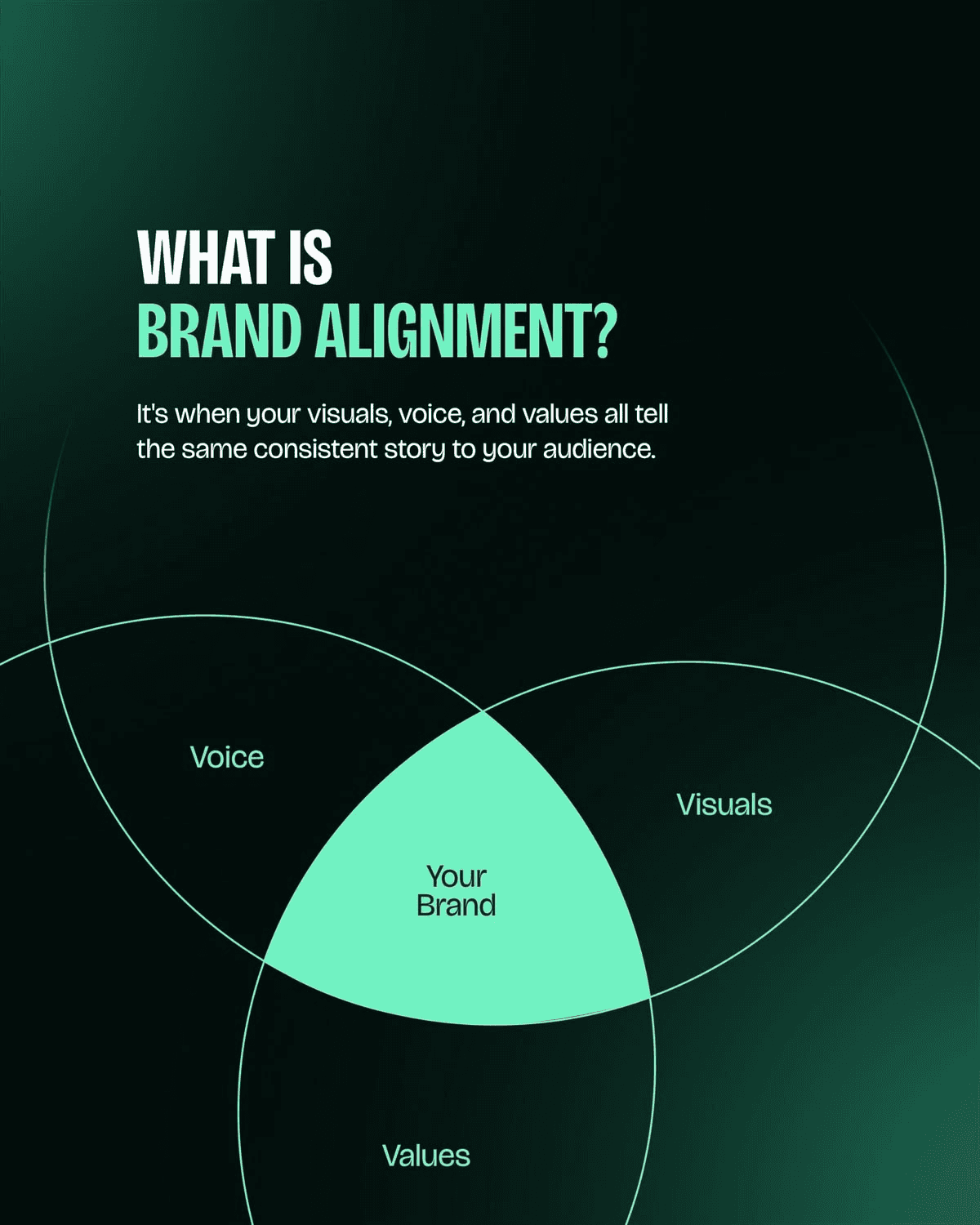
Three founders. One idea that seemed too early. Two years later, they're operating across 3 cities. This is how it happened.
February 14, 2026
 Program
Read time: 6 min read
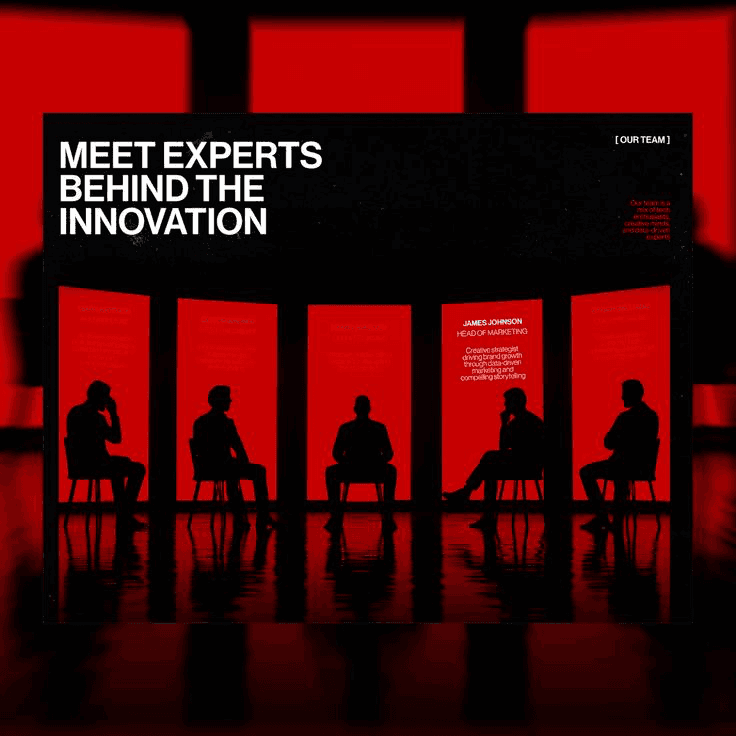
14 events. 6 formats. Over 800 participants across the year. Here's what the HUB built in its first full year of operation.
March 15, 2026